Free delivery from Fr. 300 of purchase or 18 bottles, otherwise Fr. 15






Barbaresco
The Barbaresco appellation, classified as Denominazione di Origine Controllata e Garantita (DOCG), is exclusively reserved for wines made from the Nebbiolo grape variety, one of the most noble and capricious in Italy. It takes its name from the charming village of Barbaresco, located east of the town of Alba, in the heart of the Piedmont region. However, the production area is not limited to this village alone: it also includes the municipalities of Neive and Treiso, as well as a small part of the “frazione” San Rocco Seno d'Elvio, which was formerly part of Barbaresco before being incorporated into Alba.
Covering about one-third of the total area of Barolo DOCG, the Barbaresco appellation shares with the latter a centuries-old winemaking tradition and the same grape variety, but it differs in several fundamental geographical and climatic characteristics. The vineyards of Barbaresco are generally located at a slightly lower altitude than those of Barolo and enjoy a marginally warmer and more temperate climate. This difference is reflected particularly in the slightly earlier phenolic ripeness of the grapes, allowing them to be harvested about a week before those of Barolo.
This milder climate gives Barbaresco wines a particular stylistic expression: they are often perceived as slightly more open, more supple and more accessible in their youth, although they retain great ageing potential. In terms of regulations, the appellation requires a minimum ageing period of two years and two months for classic Barbaresco wines and four years and two months for the Riserva version, starting from 1 November following the harvest. In both cases, a minimum of nine months in oak barrels is mandatory. This legal framework, while ensuring sufficient maturation, remains slightly less restrictive than that of Barolo, allowing producers to release their wines a little earlier on the market – a significant economic advantage.
The maximum yield for the vines is set at 56 hectolitres per hectare, the same figure as that imposed in the Barolo appellation. This reflects a common desire to preserve the concentration and quality of the wines, while controlling production volumes.
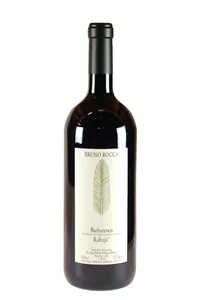
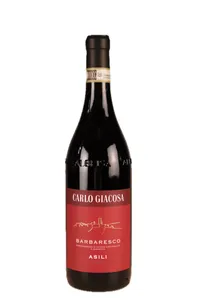
In 2007, slightly ahead of Barolo due to its smaller size, the Barbaresco appellation adopted an official system of Menzioni Geografiche Aggiuntive (MGA), equivalent to the Burgundian ‘climats’ or lieux-dits. This initiative aims to recognise and promote the distinctive characteristics of the best terroirs in the appellation area, allowing producers to indicate these additional geographical designations on their labels. This includes iconic crus such as Asili, Rabajà, Montestefano and Martinenga, which enjoy international renown.
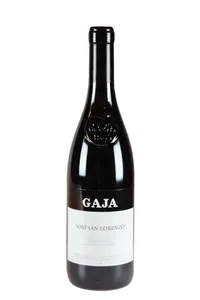
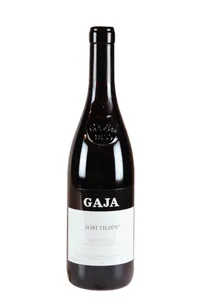
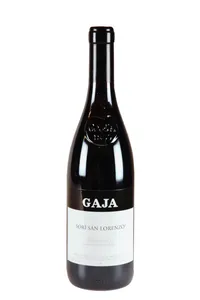
Traditionally, Nebbiolo wines in the region were made according to a rigorous process: long maceration for three to four months, followed by extended ageing, often five to eight years, in large used oak barrels. This approach softened the particularly austere tannins of Nebbiolo and produced wines with an imposing structure, ideal for ageing. However, from the late 1970s onwards, a new generation of winemakers began to question these methods. In Barbaresco, Angelo Gaja – an iconic figure and visionary pioneer – introduced innovative practices: shorter maceration times, the use of new French barrels, more precise control of fermentation temperatures, etc. The aim was to produce more colourful wines with softer tannins, offering a more modern aromatic palette and earlier drinking potential.
Today, most Barbaresco producers seek a compromise between tradition and modernity. Maceration generally lasts two to four weeks depending on the cuvée, and ageing is often carried out in a mixture of large casks and barrels, with a moderate proportion of new wood to preserve the intrinsic aromatic finesse of Nebbiolo. Many oenologists believe that the overly pronounced vanilla and spice aromas from new oak risk masking the floral, mineral and spicy subtleties of the grape variety.
Finally, it should be noted that several prestigious estates, keen to offer only their most representative wines under the Barbaresco name, choose to vinify grapes from plots deemed to be of lower quality in certain years under the Langhe Nebbiolo DOC appellation. These wines, often more accessible in both price and style, offer an excellent introduction to Piedmontese Nebbiolo.
To discover all the complexity and elegance of Barbaresco, we invite you to browse our online selection. Order your bottles now at the best price – available individually, in boxes of six or in magnum format – and let yourself be seduced by one of the most refined gems of Piedmont's wine region.
 Filter
 Price
Price
 Vintage
 Unit
Unit
 Bio
Bio
 Rare
Rare

27 items