Free delivery from Fr. 300 of purchase or 18 bottles, otherwise Fr. 15



White wines

 Filter
 Price
Price
 Selection
 Domain
 Provenance
 Vintage
 Appellation
 Unit
Unit
 Ranking
 Country
 Bio
Bio
 Rare
Rare

522 items
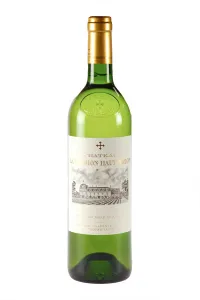
Château La Mission Haut-Brion blanc, CC Pessac-Léognan - 2009
Pessac-Léognan
 Note: 94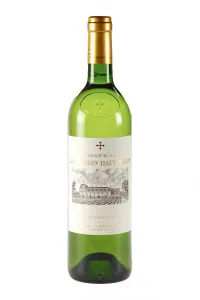
Château La Mission Haut-Brion blanc, CC Pessac-Léognan - 2010
Pessac-Léognan
Note: 95/100
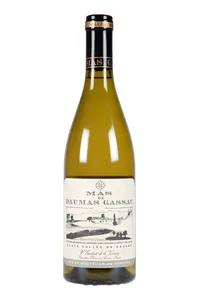
IGP St-Guilhem-le-D., Mas de Daumas Gassac blanc - 2013
IGP St-Guilhem-le-Désert

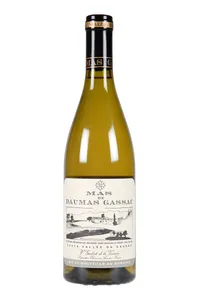
IGP St-Guilhem-le-D., Mas de Daumas Gassac blanc - 2014
IGP St-Guilhem-le-Désert

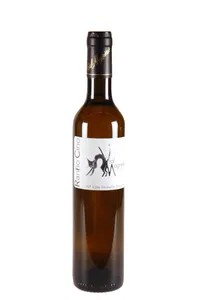
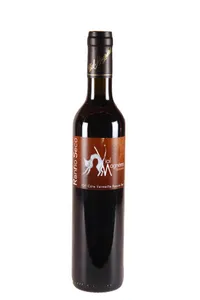
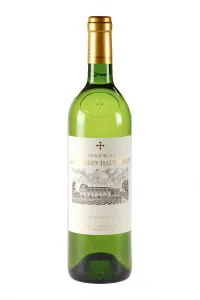
Château La Mission Haut-Brion blanc, CC Pessac-Léognan - 2016
Pessac-Léognan
Note: 95/100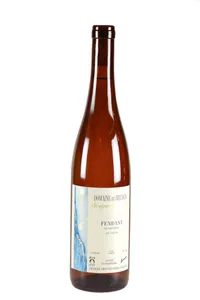
Fendant Vieilles Vignes, Domaine de Beudon - 2004
Valais

White wine: a diversity of styles and origins
Understanding the different types of white wine
White wine encompasses a wide variety of wines, ranging from dry white wines to sweet and syrupy white wines. This diversity is due to the grape varieties, regions and production methods used around the world.
White wine is made from white grapes or black grapes vinified without maceration. The must is quickly separated, then fermentation converts the sugars into alcohol. Depending on the level of residual sugar, several styles can be distinguished: dry white, sweet white or dessert wine.
Dry white wines offer lovely acidity and fresh fruit aromas. Sweet white wines have more sugar and a rounder palate. Fortified wines, such as certain Sauternes AOCs, are even more concentrated.
Grape varieties and regions for white wines
Grape varieties directly influence the aromas and quality of white wines. Among the most commonly used are:
- Chardonnay in Burgundy and Champagne
- Sauvignon in France and around the world
- Riesling and Gewürztraminer in Alsace
- Petite Arvine in Valais
- Pinot (including Pinot Noir vinified as a white wine)
There are numerous major production regions:
- France (Burgundy, Loire, Alsace, Sauternes AOC)
- Switzerland (Valais)
- Italy with its DOC white wines
- Austria and other regions of the world
Each estate adapts its production to its terroir, influencing the structure, aromas and quality of the white wine.
Choosing and tasting a white wine
Criteria for choosing a white wine
When choosing a bottle of white wine, several factors are essential:
- the type of wine (dry, off-dry, sweet)
- the grape varieties used
- the appellation (AOC, DOC)
- the region (Switzerland, France, Italy, Austria, etc.)
- the price in CHF depending on quality and the estate
A sweet white wine made from sugar-rich grapes will offer a rounder palate. A dry white wine will emphasise freshness and a more pronounced acidity.
Tasting and food and wine pairings
Tasting a white wine is all about the balance between aromas, acidity and mouthfeel. Some barrel-aged wines develop more complex notes, whilst others retain fresh, fruity aromatic profiles.
Food and wine pairings are varied:
- dry white wines, such as Chablis, with fish and seafood
- more structured white wines with white meats
- sweet white wines with foie gras or desserts
This diversity makes it possible to find the ideal white wine for every dish.
FAQ on white wines
What is a sweet white wine?
A sweet white wine contains residual sugars from the grapes, imparting sweetness and aromatic richness on the palate.
Which grape varieties are used for white wines?
Grape varieties such as Chardonnay, Sauvignon, Riesling, Gewürztraminer, Arvine or Pinot are essential in the production of white wines.
How much does a bottle of white wine cost?
The price of a bottle varies depending on the region, the estate and the quality. In Switzerland, prices in CHF cover a wide range, from affordable white wine to premium wine.
How should white wine be stored?
White wine should be stored at a cool temperature, away from light. Sweet and dessert white wines generally keep for longer than dry white wines.