Free delivery from Fr. 300 of purchase or 18 bottles, otherwise Fr. 15





Andalusia
The wines of Andalusia : A land of sunshine and winemaking traditions
Located in the far south of Spain, Andalusia is a region of light, contrasts, and exceptional wines. Here, winegrowing is inextricably linked to history and everyday life.
From Jerez de la Frontera to Montilla-Moriles, via Málaga and Sanlúcar de Barrameda, each Andalusian vineyard reflects ancestral know-how.
Andalusia is best known for its Sherry wines, but it also produces superb white, red, and natural sweet wines from iconic grape varieties such as Palomino, Pedro Ximénez, and Moscatel.
For lovers of authenticity, this is a must-visit region, as fascinating as the terroirs of Galicia or Catalonia.
A thousand-year history
Andalusian viticulture dates back more than 3,000 years. The Phoenicians were the first to plant vines here, followed by the Romans and then the Moors.
In the 16th century, Jerez wines conquered the British markets, giving rise to the legend of Sherry.
The bodegas (traditional cellars) of Andalusia have preserved this unique expertise, thanks in particular to the Solera aging method, which involves blending wines of different ages to achieve perfect balance.
Today, Andalusian producers combine tradition and innovation, creating wines with a modern profile that are exported all over the world.
The iconic grape varieties of Andalusia
The diversity of soils and climates gives rise to an incredible wealth of grape varieties.
Among the most famous are:
-
Palomino Fino: the king of Jerez wines, dry, lively and delicately salty.
-
Pedro Ximénez (PX): used for sweet and syrupy wines, with aromas of fig, date, and raisin.
-
Moscatel: produces fragrant, light wines, often sweet, with floral and citrus notes.
-
Tintilla de Rota: a rare red grape variety, producing powerful and spicy wines.
Each grape variety reveals a different facet of the Andalusian soul: the warmth of the south, the sweetness of ripe grapes, and the minerality of the limestone soils known as albariza.
The different types of Andalusian wines
The wines of Jerez (Sherry or Xérès)
Jerez is undoubtedly the most emblematic wine of Andalusia.
Produced around Jerez de la Frontera, Sanlúcar de Barrameda, and El Puerto de Santa María, it is made from the Palomino Fino grape variety.
There are several different styles:
-
Fino: dry, light, aged under a veil (flor), with notes of almond and yeast.
-
Manzanilla: a more iodine-rich version of Fino, produced only in Sanlúcar, perfect as an aperitif.
-
Amontillado: more complex, with aromas of hazelnut and caramel.
-
Oloroso: full-bodied, without flor, with a rich and round profile.
-
Pedro Ximénez (PX): a sweet, syrupy wine with notes of coffee and chocolate. There is also a dry version (unique), vinified by Victoria Ordonez.
These wines are best served chilled for the dry styles, or slightly warmed for the sweet versions.
White and red wines
Andalusia also produces excellent still white wines, often made from Moscatel or Palomino grapes. They are appealing for their freshness and aromas of citrus fruits and white flowers.
The lesser-known Andalusian red wines are made from grape varieties such as Syrah, Cabernet Sauvignon, and Tintilla de Rota. Producers in Ronda and the Sierra de Málaga make modern wines that combine power and elegance.
Natural sweet wines
The wines of Malaga and Montilla-Moriles are famous for their sweet wines made from Pedro Ximénez or Moscatel, often from sun-dried grapes (pasificación).
Their aromatic concentration makes them perfect companions for desserts or blue cheeses.
Andalusia's wine regions to discover
-
Jerez-Xérès-Sherry DOC: the capital of Andalusian wine, known for its dry wines aged under a veil.
-
Montilla-Moriles DOC: further north, specializing in sweet and oxidative wines.
-
Málaga DOC: renowned for its golden sweet wines made from Moscatel and Pedro Ximénez.
-
Condado de Huelva: white and oxidative wines similar in style to Jerez.
-
Sierras de Málaga: mountainous terroirs, producing contemporary red and white wines.
These regions alone represent the full diversity of Andalusian wine, combining tradition and innovation.
Andalusian food and wine pairings
Andalusian wines pair wonderfully with Mediterranean cuisine:
-
Fino or Manzanilla: perfect with tapas, Iberian ham, or seafood.
-
Amontillado: sublime with aged cheeses or white meats.
-
Oloroso: the ideal companion for game or stews.
-
Pedro Ximénez: irresistible with vanilla ice cream, dark chocolate, or dried fruit desserts. Can also be enjoyed as a dessert wine on its own.
-
Moscatel: light and floral, perfect as an aperitif or with fruit salad.
The balance between alcohol, freshness, and sweetness makes these wines extremely versatile at the table.
The art of aging in Solera
The Solera method is the signature of Andalusian Sherry. In the bodegas, the wines age in barrels stacked in several rows. The oldest are at the bottom, the youngest at the top. Each year, part of the mature wine is drawn off and replaced with younger wine. This technique ensures remarkable consistency in quality and aromatic complexity.
This unique process, combined with the warm climate and humidity of the cellars, gives Andalusian wines their incomparable personality.
Explore the wines of Spain
While Andalusian wines shine for their uniqueness, they are part of a larger mosaic of Spanish terroirs.
Discover the freshness of the wines of Madrid, the power of the reds of Aragon, or the refined vintages of the Canary Islands.
Each reflects a distinct style, climate, and culture—all facets of great Spanish wine.
To learn more, explore the selection of Spanish wines on cavesa.ch, carefully chosen for their quality and authenticity.

 Filter
 Price
Price
 Domain
 Vintage
 Appellation
 Color / Type
 Unit
Unit
 Bio
Bio
 Rare
Rare

37 items
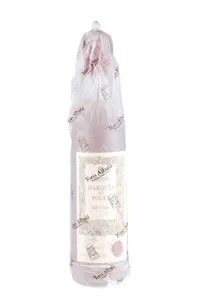
Palo Cortado, Marques de Poley Seleccion, Toro Albala - 1964
Montilla-Moriles

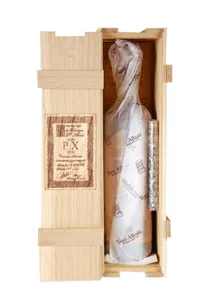
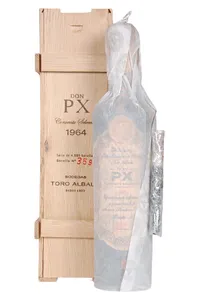
Montilla-Moriles, Don PX Convento Seleccion, Toro Albala - 1958
Montilla-Moriles
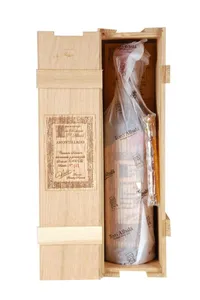

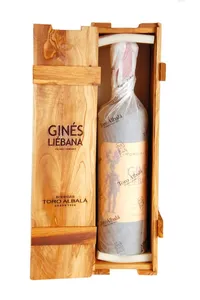
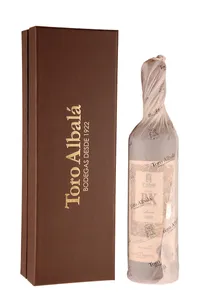

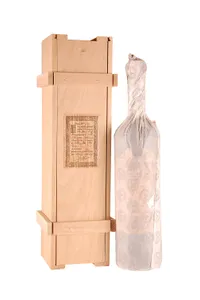
Montilla-Moriles, Don PX Convento Seleccion, Toro Albala (magnum) - 1946
Montilla-Moriles