Free delivery from Fr. 300 of purchase or 18 bottles, otherwise Fr. 15


Sparkling wines

 Filter
 Price
Price
 Selection
 Domain
 Provenance
 Vintage
 Appellation
 Unit
Unit
 Ranking
 Country
 Bio
Bio
 Rare
Rare

101 items
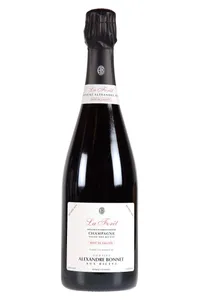
Champagne Extra-Brut, Rosé de Saignée - La Forêt, Alexandre Bonnet - 2018
Champagne

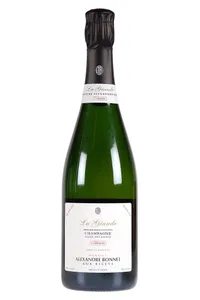
Champagne Brut Nature, 7 Cépages - La Géande, Alexandre Bonnet - 2018
Champagne
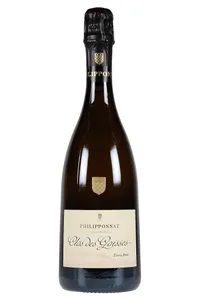
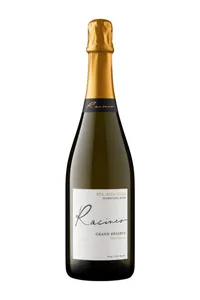
Sparkling wine, Grand Reserve - Chardonnay, Racines - De Montille - 2020
California

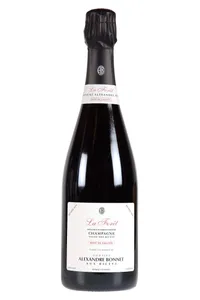
Champagne Extra-Brut, Rosé - Les Contrées, Alexandre Bonnet - 2019
Champagne
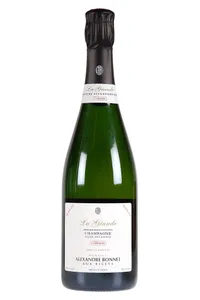
Champagne Brut Nature, 7 Cépages - Les Contrées, Alexandre Bonnet - 2019
Champagne


Champagne Extra-Brut, Avize Champ Caïn - DT, Jacquesson (magnum) - 2004
Champagne

Sparkling wine: a variety of styles and delicate bubbles
Understanding sparkling wines
Sparkling wine encompasses all wines characterised by the presence of bubbles. These sparkling wines include champagne, crémant, prosecco, cava and sekt.
A sparkling wine can be white, rosé or made from red grape varieties such as Pinot Noir, vinified as a white wine (blanc de noirs). Grape varieties such as Chardonnay are also widely used in the production of quality cuvées.
The bubbles are formed from the gas produced during fermentation. The pressure within the bottle creates the effervescence characteristic of sparkling wines. The dosage (brut, extra brut, demi-sec) then influences the style and aromatic notes.
Each bottle of sparkling wine develops aromas of fruit, flowers or brioche depending on the method, the yeasts and the ageing process.
Production methods and regions
The traditional method (or Champagne method) is the most renowned for producing high-quality sparkling wines. It relies on a second fermentation in the bottle (known as “prise de mousse”), with the addition of yeasts.
The main stages of production are:
- initial fermentation in tanks
- bottling with yeast
- secondary fermentation and bubble formation
- ageing on lees
This method is used in Champagne, but also for crémants in France.
The world’s major producing regions are:
- France (Champagne, crémant)
- Italy (Prosecco, Asti)
- Spain (Cava)
- Germany (Sekt)
- Switzerland
Choosing and tasting a sparkling wine
How to choose a sparkling wine
When choosing a sparkling wine, several criteria are essential:
- the method (traditional or Champagne method, tank)
- the grape varieties (Chardonnay, Pinot Noir, etc.)
- the region (France, Italy, Spain, Switzerland)
- the type of cuvée (brut, demi-sec, etc., which determines the sugar content)
- the price in CHF depending on quality and the bottle
A bottle produced using the traditional method will often offer finer bubbles and better quality. Sparkling wines vary greatly depending on the region and production methods.
Food and sparkling wine pairings
Sparkling wine is ideal for accompanying many dishes. Its freshness and bubbles allow for a variety of pairings:
- aperitifs
- seafood
- fish
- desserts
Some more structured sparkling wines can accompany more complex dishes, offering a complete experience.
FAQs on sparkling wines
What is the difference between champagne and crémant?
Champagne is produced in Champagne using a strict traditional method, whilst Crémant is made in other regions (Alsace, Burgundy, Loire, Savoie) using a similar method.
What are the best-known sparkling wines?
Champagne, Prosecco, Cava, Sekt and Asti are among the best-known sparkling wines in the world.
How much does a sparkling wine cost?
The price of a bottle of sparkling wine varies depending on the region, the method and the quality. In Switzerland, prices in CHF cover a wide range.
How should sparkling wine be stored?
Sparkling wine should be kept cool to preserve its bubbles, pressure and aromas.