Free delivery from Fr. 300 of purchase or 18 bottles, otherwise Fr. 15





Sweet wines

 Filter
 Price
Price
 Domain
 Provenance
 Vintage
 Appellation
 Unit
Unit
 Ranking
 Country
 Bio
Bio
 Rare
Rare

43 items
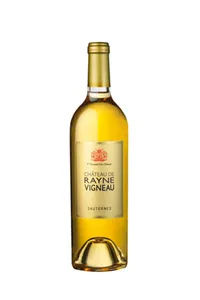
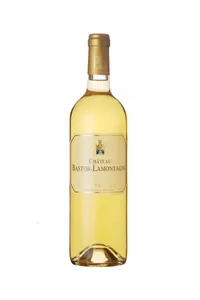
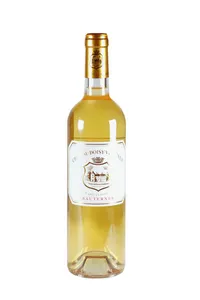
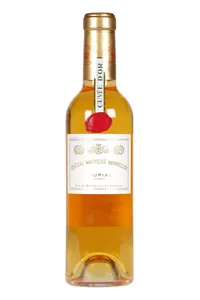
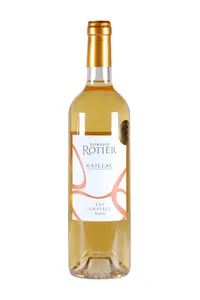


IGP C. de Gascogne, 1ères Grives, Dom. du Tariquet - 2025
IGP Côtes de Gascogne

Sweet wine: a world rich in aromas and sugars
Understanding the characteristics of sweet wine
Sweet wine encompasses various types of wine characterised by a high residual sugar content. This natural sweetness comes from grapes harvested at an advanced stage of ripeness, sometimes from late harvests or noble rot.
During production, the sugar-rich must undergoes partial fermentation to retain a certain sweetness. This technique produces sweet wines with a balance between alcohol and sugar, and a lovely aromatic intensity.
Sweet wines can be white or made from red grapes, offering a variety of profiles. These include, in particular:
- natural sweet wines
- sweet fortified wines
- liqueur wines such as porto
Each bottle of sweet wine develops aromas of fruit, honey or spices, offering great richness on the palate and a sensation of pleasure.
Regions and appellations of sweet wines
Sweet wines are produced in several regions around the world, with very distinct styles:
- in Switzerland, particularly in Valais (AOC Valais), renowned for its sweet wines made from local grapes
- in France, with appellations such as Banyuls or Sauternes
- in Italy, with Moscato and Vin Santo
- in Hungary, with the famous Tokaj
- in Germany, with wines such as Trockenbeerenauslese
Each estate adapts its production according to its terroir, harvests and grapes. The quality of sweet wines depends heavily on the climate, the vines and the work of the producers.
Choosing and tasting a sweet wine
How to choose a sweet wine
When choosing a sweet wine, several criteria must be taken into account:
- the type of wine (fortified, natural sweet wine, liqueur wine)
- the grape varieties (Muscat, Riesling, Pinot, Sauvignon…)
- the region (Valais, France, Italy, Hungary, Germany)
- the estate or château
- the price in CHF depending on the quality of the product
A sweet wine made from grapes with a very high sugar concentration will offer a richer palate. Some sweet wines have a higher alcohol content, particularly fortified wines such as port.
Food and sweet wine pairings
Sweet wine is particularly well-suited to pairing with desserts and gourmet dishes. Thanks to its sweetness and aromas, it pairs perfectly with:
- fruit desserts
- sweet pastries
- cheeses
- foie gras
Sweet wines offer a wide variety of pairings, providing a rich and balanced tasting experience.
FAQ on sweet wines
What are the best sweet wines in Switzerland?
Sweet wines from Valais, particularly those with AOC status, are renowned for their quality, balance and aromas derived from carefully selected grapes.
What are the distinctive features of sweet wines?
Sweet wines are characterised by their high residual sugar content, controlled fermentation and complex fruit aromas.
How much does a sweet wine cost?
The price of a bottle of sweet wine varies depending on the region, the estate and the production. In Switzerland, prices in CHF cover a wide range of products.
How should sweet wine be stored?
Sweet wine keeps well thanks to its sugar and alcohol content. It must be stored in the right conditions to preserve its quality and aromas.