Free delivery from Fr. 300 of purchase or 18 bottles, otherwise Fr. 15




Rosé wines

 Filter
 Price
Price
 Selection
 Domain
 Provenance
 Vintage
 Appellation
 Unit
Unit
 Country
 Bio
Bio
 Rare
Rare

24 items


Bordeaux rosé, Château Pénin - 2025
Bordeaux rosé


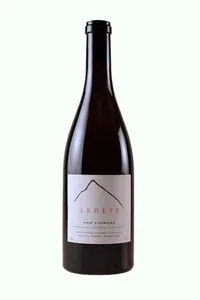
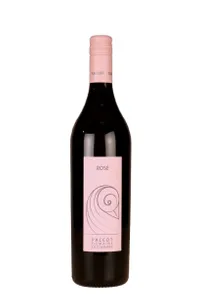

IGP Hérault, Escalette Rosé, Pas de l'Escalette (magnum) - 2025
IGP Pays de l'Hérault


IGP Hérault, Escalette Rosé, Pas de l'Escalette (jéroboam) - 2025
IGP Pays de l'Hérault
Understanding the production of rosé wines
The key stages of production
The production of rosé wine relies on precise expertise, combining modern techniques with traditions handed down from the last century. Whether in France, Switzerland or Italy, each producer adapts their method to suit their grapes and terroir.
It all begins with the harvest of red grapes such as Grenache, Syrah, Cinsault, Merlot or Pinot Noir. After pressing, the must undergoes a short maceration with the skins, which gives the wine its characteristic rosé colour, distinct from both red and white wines.
Two main techniques dominate production:
- direct pressing, used in Provence for pale, elegant rosés
- saignée, which produces more structured rosés, similar to red wines
Fermentation then takes place mainly in vats, at a controlled temperature, to preserve the aromas. The winemaking process concludes with a generally short ageing period, ensuring freshness and fruitiness in every bottle.
Grape varieties, regions and styles of rosé
The style of a rosé depends directly on its origin and grape varieties. In Provence (AOC / AOP), rosé wines are dominated by Grenache and Cinsault, resulting in delicate, light profiles. In Bordeaux, Merlot brings more roundness.
In Switzerland, particularly in Valais, rosés offer a lovely alpine freshness. In Italy, under DOC or IGT appellations, rosato may include Vermentino or other local grape varieties, resulting in more intense aromatic profiles.
Each country (France, Italy, Switzerland) and each region (Provence, Valais, Bordeaux) influences:
- the colour
- the style
- the quality of the product
Certain vintages from châteaux or organic estates also stand out for their precision and balance.
Choosing and enjoying a rosé wine
Styles and selection criteria
Choosing a rosé wine depends on several key criteria:
- the colour (from pale pink to a deeper rosato)
- the appellation (AOC, AOP, IGP, IGT, DOC)
- the grape varieties used (Grenache, Syrah, Merlot, Pinot Noir)
- the winemaking method (pressing or saignée)
The price of a bottle varies depending on the origin, production and reputation of the château. In Switzerland, the price in CHF can vary between entry-level wines and premium vintages.
Food and rosé wine pairings
Rosé wine is suitable for a wide range of food and wine pairings. Its freshness and lightness make it an ideal choice for:
- grilled meats and white meats
- Mediterranean dishes
- fish and seafood
- summer salads
Some more structured rosés can even accompany richer dishes, similar to pairings usually reserved for red wines.
FAQ on rosé wines
How is the rosé colour achieved?
The colour of rosé wine comes from a short maceration of black grapes. Unlike red wines, extraction is limited.
What is the difference between rosé and red wine?
Rosé is lighter, less tannic and fresher than red wines, with a specific winemaking process.
Can rosé wine be kept?
Most rosé wines are best enjoyed young, generally within 1 to 3 years of production.